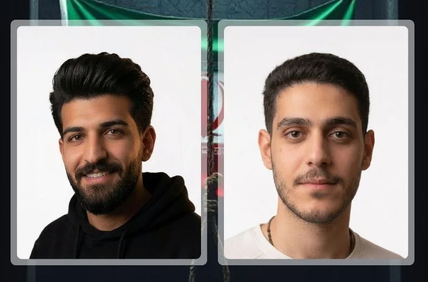
On July 28, 2026, Iranian authorities publicly executed two men—Abolfazl Sepahi Badjani and Amirhossein Safari Hosseinabadi—by hanging them in Isfahan’s Shahid Alikhani Square. Their deaths come amid an intensifying crackdown on dissent, following anti-government protests that swept parts of the country earlier this year.
The two men had been convicted in connection with the deaths of security personnel during protests in January 2026. Their case was part of a broader prosecution involving twelve individuals who were sentenced to death. Just days earlier, on July 19, two other co-defendants in the same case—Erfan Esfandiari and Golmohammad Mohammadi—were also executed.
Public executions are rare but deeply symbolic acts in Iran, often intended to send a message. In this case, the message appears to be one of deterrence. But the events surrounding the July 28 executions suggest something else as well: growing public anger and a willingness among ordinary citizens to push back, even in the face of grave danger.
Eyewitness accounts indicate that crowds gathered near Shahid Alikhani Square ahead of the executions. Some in attendance reportedly protested, expressing outrage at the sentences and the broader wave of repression. Security forces moved quickly to disperse the crowd.
More alarming are emerging reports that security personnel opened fire on civilians during the dispersal. At least two bystanders were reportedly shot. One of them has been identified as Anahita Azarshab. While details remain limited, such reports—if confirmed—would mark a significant escalation, suggesting that even passive presence near acts of state punishment can carry life-threatening risk.
The executions themselves had already drawn international concern. Prior to July 28, United Nations human rights experts had urged Iranian authorities to halt the executions, citing serious due process violations. According to these experts, the accused were tried in closed courtrooms and allegations of forced confessions were never adequately addressed.
Despite these warnings, the executions proceeded.
Taken together, the events of July 19 and July 28 point to a broader pattern: the use of capital punishment not only as a legal tool, but as a mechanism of control in politically sensitive cases. When combined with reports of violence against civilians, the situation raises urgent questions about the rule of law, accountability, and the protection of basic human rights in Iran.
For many observers, the timing is also significant. As international discussions and diplomatic considerations involving Iran continue, developments like these serve as a stark reminder of the realities on the ground. Behind closed negotiations and official statements, lives continue to be shaped—and in some cases, ended—by the decisions of the state.
What happened in Isfahan is not an isolated incident. It is part of a continuing story—one that reflects both the power of the state and the resilience of those who, even in small numbers, still gather, still watch, and sometimes, still protest.
And increasingly, it is a story the world cannot afford to ignore.
Leave a Reply