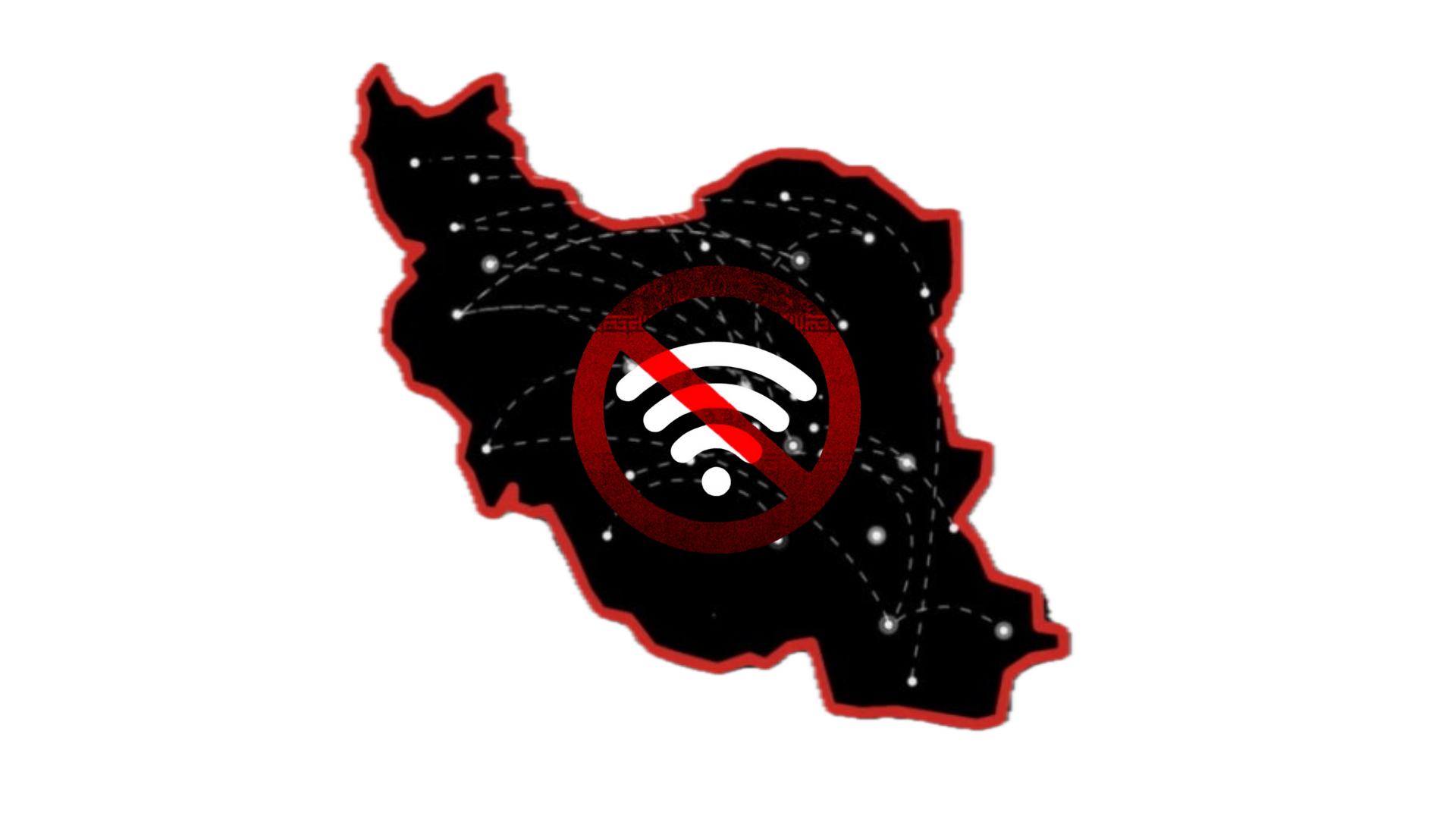
After 88 days of a nationwide internet blackout, the Islamic Republic of Iran has restored partial access to the global internet. On the surface, this may sound like good news. It is not.
Not all Iranians are back online. Many still face disruptions, heavy filtering and surveillance. And for tens of thousands of families, the internet will never reconnect them with loved ones lost during the protests.
In January, following widespread anti-government demonstrations, Iranian security forces unleashed a brutal crackdown. To hide it, the regime shut off the internet for nearly 90 million people. The goal was simple: isolate the population and prevent the world from seeing what was happening on the ground.
Despite the blackout, some Iranians risked everything to get information out. Using illegal satellite connections such as Starlink, they shared videos from Jan. 8 and 9—days when security forces opened fire on protesters. Those who tried to expose the truth paid a heavy price. Hesam Alaeddin, a 40-year-old father of two, was reportedly beaten to death for allegedly possessing a satellite internet device.
For many in the Iranian diaspora, the blackout was deeply personal. During those weeks, I could not reach my father, my aunt or my cousins in Iran. Communication was nearly impossible. When my father was finally able to call, he told me he was paying the equivalent of $10 a week just to maintain limited internal phone access—an enormous cost in an economy already in free fall. Even then, I could not call him back. I had to wait for the phone to ring.
Now that some internet access has returned, more videos from those deadly days are resurfacing. The world is beginning to see what the regime tried to hide.
But the restoration of internet access is not a sign of openness. It is a strategy.
First, the regime is attempting to project normalcy. State-aligned influencers flood social media with images of cafes, restaurants and women without hijab, carefully curated to suggest freedom and stability. This is designed to shift attention away from ongoing repression, including continued arrests and executions.
Second, it is meant to demoralize Iranians at home and abroad. As U.S. officials consider renewed engagement with Tehran, figures such as Mohammad Bagher Ghalibaf—linked to past crackdowns and affiliated with the Islamic Revolutionary Guard Corps—are positioned as legitimate partners. The message to Iranians is clear: the regime is here to stay, and the world will do business with it anyway.
That message is dangerous—and it is wrong.
The United States should not mistake restored internet access for reform. It should not reward a government that has violently suppressed its own people and continues to threaten American interests. Engaging with officials tied to repression risks undermining the very values the United States claims to defend.
Iranians are risking their lives for freedom, dignity and basic human rights. Those are not abstract ideals—they are the same values Americans honor every day.
We should not look away now.